

Originally published on Meetings Today.
PEAK Performance
Salt Lake City’s living Olympic legacy is a master class in event planning and tourism development
By Jeff Heilman
Last October, Visit Salt Lake came to New York City to talk about the destination’s immersive “five senses” appeal, which includes unique experiences inspired by the area’s Winter Olympics. In 2034, Salt Lake City will welcome the Olympic and Paralympic Winter Games back, officially known as Utah 2034. With memories of the 2002 Olympics Committee and current Olympic athletes in the room, the excitement was palpable, building a decades-long story.
The city’s organizers and stakeholders have never lost focus on the event. The enduring success of Utah’s Olympic legacy programs is demonstrated by ongoing engagement long after Colorado voters rejected local funding for the 1976 Winter Olympics.
Salt Lake City has made the most of its Olympic legacy, turning a one-time event into an ongoing story of growth and opportunity. The city’s investments in sports venues and training facilities have paid off, attracting athletes and visitors from around the world.
Salt Lake City was also an early adopter of sustainability initiatives. The venues and infrastructure built for the 2002 Games continue to serve the community today, hosting events and training programs year-round.
The city’s Olympic legacy is evident in its vibrant sports culture and world-class facilities, which continue to attract major events and competitions.
The Gift of Gratitude That Keeps Giving
Thousands of people gather each year at the Utah Olympic Park and other venues to celebrate the Olympic legacy. The community’s continued support and engagement ensure that the Olympic spirit remains alive and well in Salt Lake City.
Going for the Gold
The post-2002 expansion of sports and tourism also saw the city broaden its economic base, expanding into key sectors including finance, healthcare, higher education, and technology. This mindset of continued evolution includes investments in infrastructure projects.
State of completion projects have included major renovations at the Salt Lake City International Airport, enhancing traveler experience and capacity. Additional improvements to public transportation systems have made it easier for visitors to navigate the city.
Salt Palace Convention Center
The Salt Palace Convention Center has undergone significant upgrades, making it one of the premier convention venues in the region. The facility now offers expanded meeting space, state-of-the-art technology, and improved amenities for attendees.
How have groups benefited from the post-2002 legacy?
For planners, the Olympic legacy shows up in highly practical ways. Many of our venues support global broadcast standards and large international crowds, which means planners are working with facilities built to operate on a world stage. Our transportation systems are also engineered to move large numbers of people efficiently.
Salt Lake remains incredibly accessible. You can land at Salt Lake City International Airport and be in your downtown hotel or the Salt Palace Convention Center in about 10 minutes, with simplified logistics and low attendee travel time between venues.
Salt Lake’s record of success alone speaks volumes.
Experience is one of our biggest competitive advantages. Having proven that Salt Lake can successfully host an event on the scale of the Olympic Games, we have since continued to host major international competitions, conventions, and sporting events. That track record gives planners confidence that our venues, infrastructure, and hospitality community know how to deliver world-class experiences.
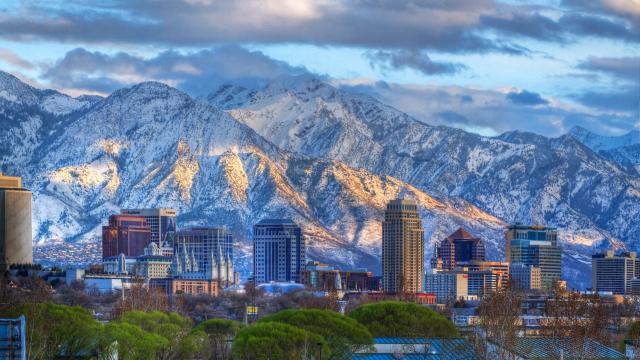
The distance of scale and accessibility also sets us apart. Planners get the infrastructure of a global destination combined with a walkable downtown, quick airport access, and mountains just minutes away.
Any lessons learned from the 2034 Winter Games in Italy?
One of my biggest takeaways from observing the preparations in Milan and Cortina is the importance of building global energy while also maintaining local authenticity. Their ability to balance international excitement with regional identity is something we’ve always valued in Salt Lake.
We are thinking the same in Salt Lake. Major events should feel big and exciting, but they should also reflect the personality of the destination and create meaningful connections to the local community.
What’s on the group market roadmap leading up to the Games?
Between now and 2034, meeting planners and attendees will see a destination that continues to evolve in exciting ways. During the 2034 Winter Games and beyond, Salt Lake’s energy will be unmatched, with world-class venues, strong partnerships, and a welcoming community.
Our goal is to continue expanding and enhancing our offerings so that planners return long after 2034.
“...planners are working with facilities built to operate on a world stage.”
Kaitlin Eskelson, President & CEO, Visit Salt Lake
Connection
Visit Salt Lake
visitsaltlake.com
Visit Salt Lake (VSL) is the private, nonprofit Destination Sales & Experience Organization (DSXO) dedicated to recruiting, retaining, and activating conventions, meetings, sporting events and leisure travel that fuels the region’s visitor economy. In partnership with Salt Lake County, hoteliers, members and public-sector stakeholders, VSL helps generate $6.15 billion in annual visitor spending, $575 million in direct tax revenue and $1,700 in household tax savings while supporting more than 56,000 jobs. By championing Salt Lake's authentic urban-meets-mountain identity, VSL creates transformative experiences that benefit the community and visitors alike. For more information, visit www.VisitSaltLake.com.